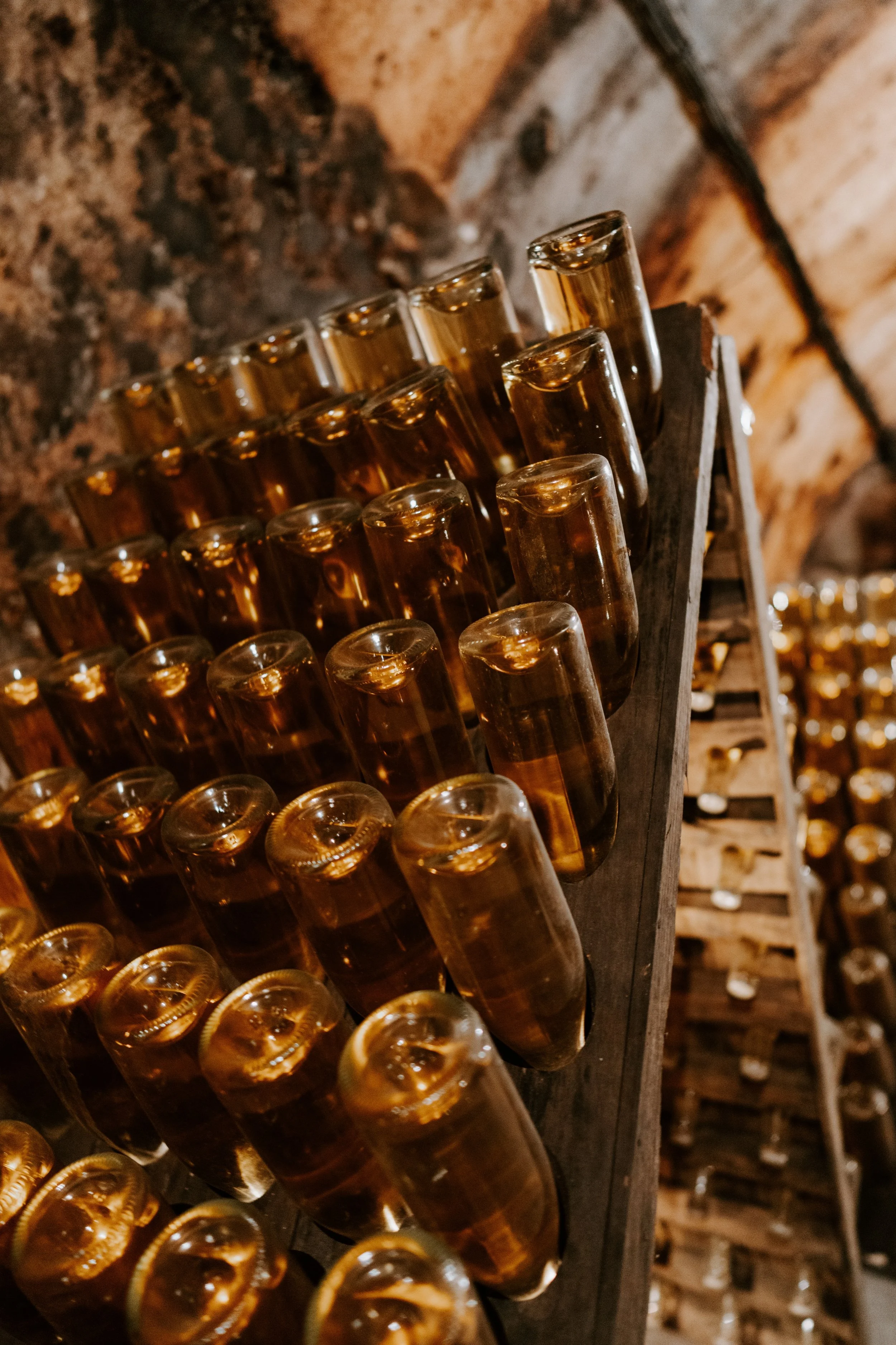
Méthode Traditionnelle: This is the traditional method for making sparkling wine. With this process, the secondary fermentation takes place inside the bottle, creating the bubbles. The process begins with the addition of a liqueur de tirage (see be...
Some may be surprised to learn that there are only two ingredients in wine: grapes and yeast. Yet, white wines can be described as having flavors that include lemon, lime, grapefruit, apple, peach, pear and orange. And red wines can be described ...
Oak is used extensively in winemaking during fermentation and aging. It can add flavor compounds – including aromas of vanilla, clove, smoke and coconut.
Oak barrels also allow the slow ingress of oxygen – a process which makes wine taste smoother a...
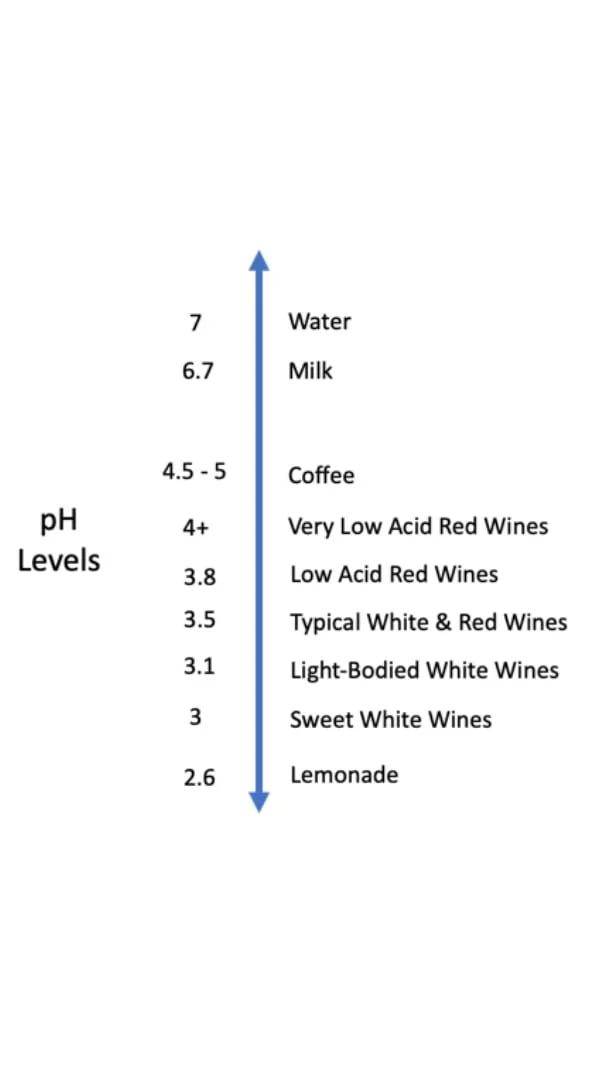
Last time we looked at acidity levels in wine that are measured on the pH scale and in terms of grams of acid per liter (Total Acidity). While Total Acidity is a measure of the concentration of acids in a wine, the pH level tells you how intense tho...
Acidity in wine is one of the four fundamental traits of a good wine (Acidity, Tannin, Alcohol and Sweetness). For a wine to be considered “good,” each of these traits must be in proper proportion or ‘balance’ to each another. If there’s too much of ...