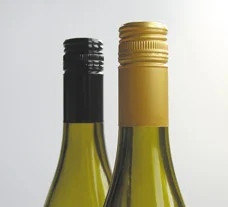
Now that we’ve explored the natural cork, the technical cork and the synthetic cork, it’s time to address the twist-off cap. And don’t you think ‘twist-off’ sounds so much better than ‘screw cap?’ The twist-off wine seal has been around for at least...
In recent posts we learned that cork comes from the bark of the Cork Oak and that the foil capsule covering the cork was originally put into place to protect the cork from insects and rodents. So you might wonder is all this necessary today? Aren’t...
Last time we looked at where cork comes from and learned that it’s actually the bark of the Cork Oak tree. It is bark that can take 25 to 50 years to get to the point where it is usable for wine bottles and each tree can only be harvested every nine ...
During a visit to the Dry Creek Valley in Sonoma California, I stopped at the beautiful Ferrari-Carano winery. After tasting their wonderful wines, my server stated that walking their gardens was not to be missed. And while in the gardens, he said to...
When it comes to a wine’s ability to be aged, both tannin and acidity play a role. Tannins were described last time as having compounds that act as natural preservatives in wine. The natural acids in the juice of the grape also help to preserve a wi...
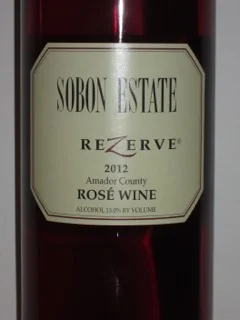
There seems to be a lot of information and some misinformation out there about the production of rosé wine. I’m not sure why this topic is so complicated or confusing. Rosé is quite simple and such a simple pleasure. So, let’s take a look at how rosé...